Austrian Oversight Mechanisms for Slot Volatility Metrics on Licensed Platforms
Lars Frank · Nov 4, 2026
Austrian Oversight Mechanisms for Slot Volatility Metrics on Licensed Platforms
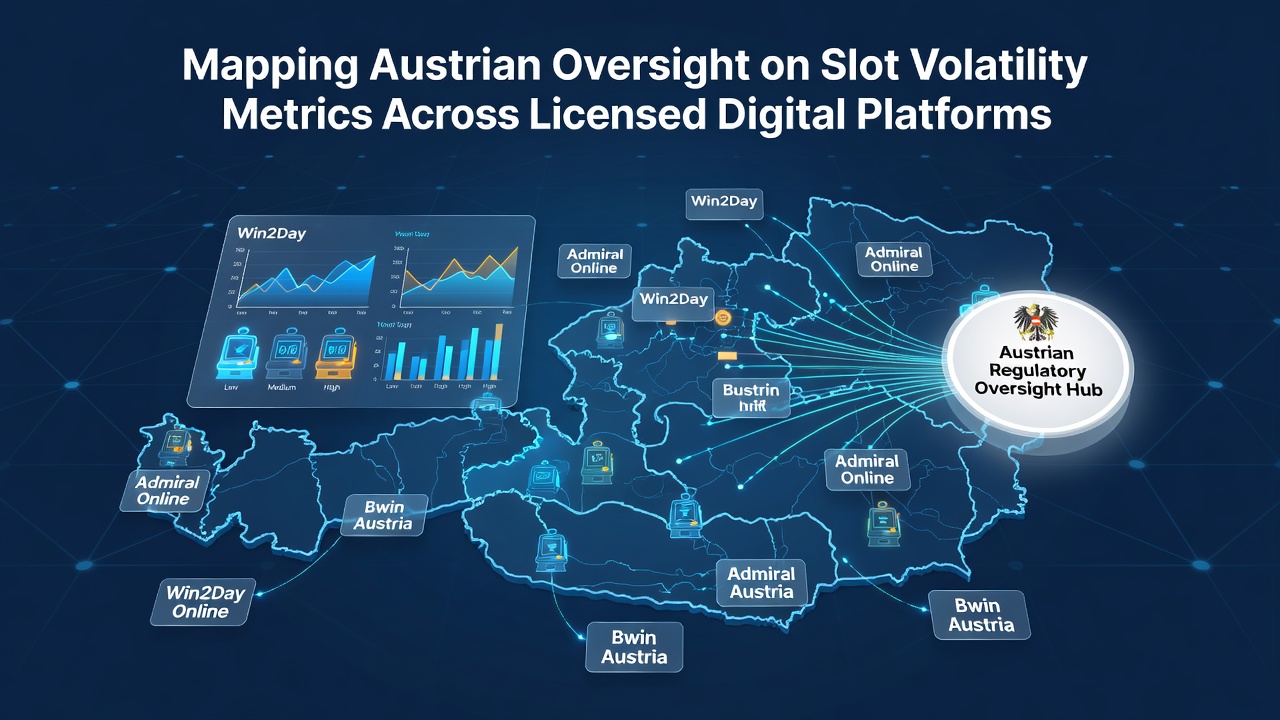
Regulatory authorities in Austria maintain structured oversight of volatility metrics for slot games offered on licensed digital platforms, and this framework centers on compliance with national gaming statutes administered through the Federal Ministry of Finance. Operators must submit detailed volatility data during certification processes, while ongoing audits verify that game parameters align with approved ranges established under the Austrian Gaming Act.
Volatility metrics quantify the frequency and magnitude of payouts in slot titles, and Austrian regulators require platforms to classify games according to standardized risk categories before deployment. Data collection occurs through automated reporting systems that track metrics such as standard deviation of returns and hit frequency, with thresholds defined to prevent excessive concentration of high-volatility titles in player-facing libraries.
Core Components of Metric Monitoring
Licensed operators integrate volatility tracking into their platform software, and these systems generate periodic reports that authorities review for adherence to predefined limits. In November 2026, updated technical guidelines expanded the scope of required submissions to include real-time volatility simulations during peak usage periods, allowing regulators to identify patterns across multiple platforms simultaneously.
Certification bodies conduct independent verification of these metrics, and they employ statistical models that compare declared volatility against actual performance data collected from live sessions. Platforms failing to maintain alignment face temporary suspension of specific titles until adjustments receive approval.
Data Integration Across Licensed Operators
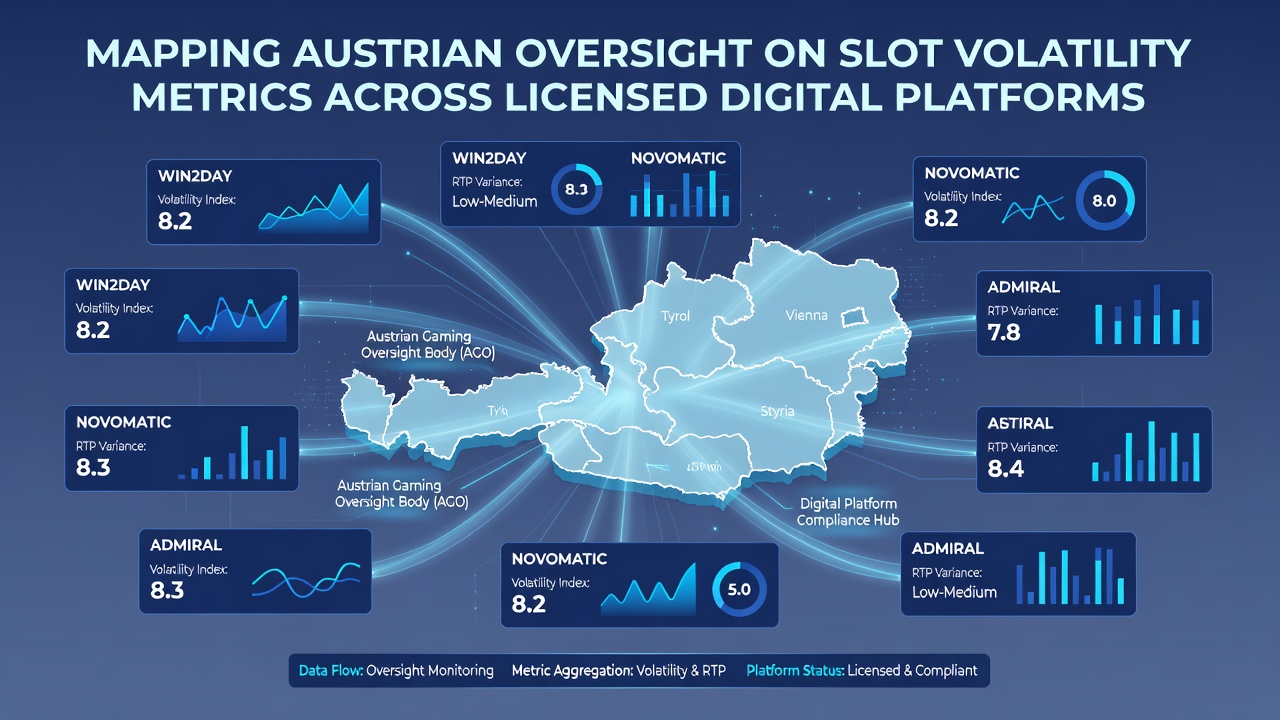
Multiple operators participate in a centralized data exchange managed by regulatory offices, and this arrangement enables cross-platform analysis of volatility distributions without compromising individual player information. Researchers at institutions such as the University of Vienna have examined aggregated datasets to study how volatility profiles influence session durations on Austrian-licensed sites.
External benchmarks drawn from international sources help contextualize domestic standards, and one such reference comes from the Australian Gambling Research Centre which publishes comparative volatility studies across regulated markets. Another perspective appears in reports from the Canadian federal gaming oversight summaries that detail similar metric frameworks in provincial licensing regimes.
Technical Standards and Reporting Cycles
Slot volatility calculations rely on mathematical models that factor in reel configurations, payline structures, and bonus trigger probabilities, and Austrian guidelines specify exact methodologies for these computations to ensure uniformity. Operators submit quarterly volatility summaries alongside annual comprehensive audits, while ad-hoc requests can arise following player complaints or anomaly detections in transaction logs.
Software providers must embed volatility parameters directly into game code, and regulators test these elements during initial approval stages as well as after any content updates. Those who have studied the process note that even minor adjustments to bonus round frequencies trigger full re-evaluation of volatility classifications.
Enforcement and Compliance Patterns
Penalties for metric non-compliance range from monetary sanctions to license restrictions, and enforcement actions typically follow documented deviations exceeding established tolerance bands. Observers note that most licensed platforms achieve compliance through iterative testing cycles conducted in partnership with accredited testing laboratories.
November 2026 saw the rollout of enhanced dashboard tools that allow regulators to visualize volatility trends across all active Austrian domains in a single interface. This development streamlined identification of outliers and supported more targeted interventions when patterns suggested systemic issues.
Conclusion
Austrian oversight of slot volatility metrics operates through layered reporting, certification, and cross-platform data sharing that maintains consistency across licensed digital environments. Continued refinement of these mechanisms reflects responses to technological advances in game design and the need for precise risk categorization in online settings.